
1. A Slogan Born of Resistance
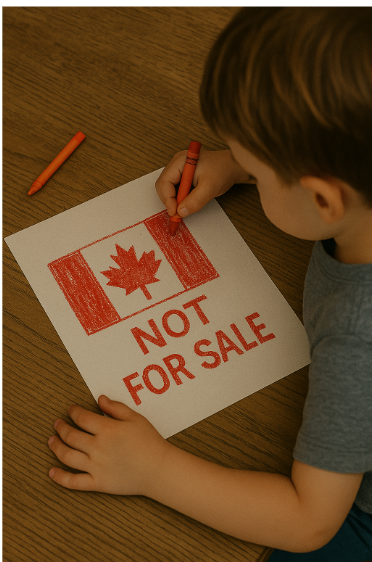
The phrase “Canada’s Not for Sale” has become more than a slogan—it’s a defiant cultural rallying cry in response to foreign takeovers, mass retail closures, and political overreach. Rooted in economic anxiety and national pride, this phrase emerged organically in town halls and online forums as Canadians watched iconic domestic brands disappear or fall under foreign ownership.

2. Retail as a Battleground
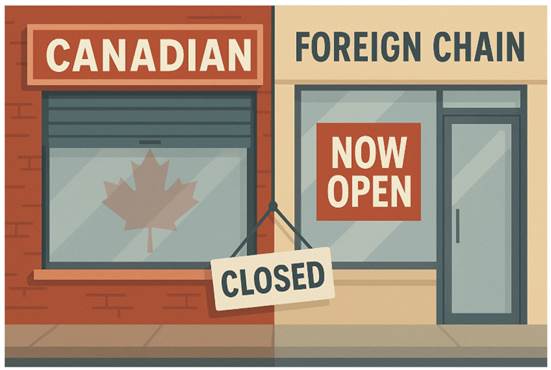
As global chains flood malls and e-commerce giants dominate online shopping, small and mid-sized Canadian retailers have struggled to hold ground. “Canada’s Not for Sale” has become a rallying cry in window signage, T-shirts, and marketing campaigns as local businesses fight back with patriotic promotions, item-led strategies, and a new emphasis on “Made in Canada.”
3. Pop Culture Joins the Movement
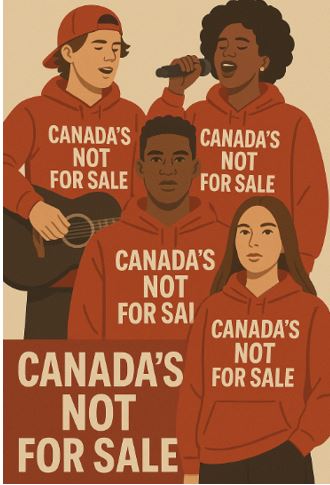
Celebrities and content creators have adopted the slogan to signal solidarity with the Canadian identity in a globalized world. From Olympic medalists to indie rock bands, the campaign has become a unifying symbol for youth who want to defend their heritage while embracing modern style.
4. Protest Merch: The New Uniform
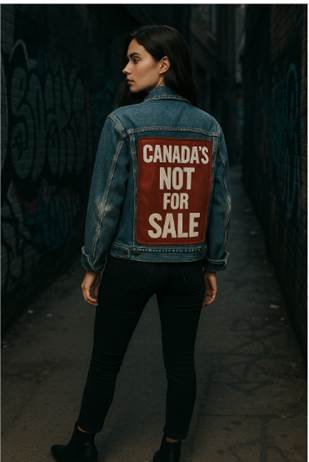
Just like “Elbows Up” and “Hands Off,” “Canada’s Not for Sale” has given rise to protest apparel that merges fashion and resistance. Independent labels and Etsy designers are creating limited drops of embroidered caps, tees, and bags, transforming protest into wearable, sellable identity statements.
5. The Political Flashpoint
The slogan has found its way into political discourse, with some parties using it as a critique of trade agreements, immigration policies, or foreign investment. It’s a potent phrase because it’s flexible—able to signal unity, dissent, or economic caution, depending on who’s wielding it.
6. What It Means Now
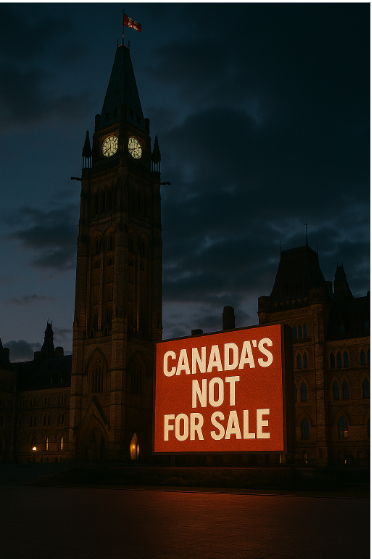
Ultimately, “Canada’s Not for Sale” represents a growing awareness of national values, sovereignty, and self-determination. Whether in retail, politics, or pop culture, the message resonates because it speaks to the desire to protect not just land or goods, but a way of life uniquely Canadian.